
Thursday 28 January 2027
07:30
Dr. Benoit Chassaing, Institut Pasteur
How our diets are destroying our 'second brain'
Dr. Chassaing is at the forefront of research into the gut microbiome and its role in chronic inflammatory diseases. He works with leading UK researchers, such as Tim Spector, and his research is instrumental in understanding how modern dietary habits, specifically the consumption of ultra-processed foods, are fundamentally altering human biology. Benoit offers a science-backed blueprint for the future of nutrition and a preview of the regulatory shifts coming for the global food and beverage industry.
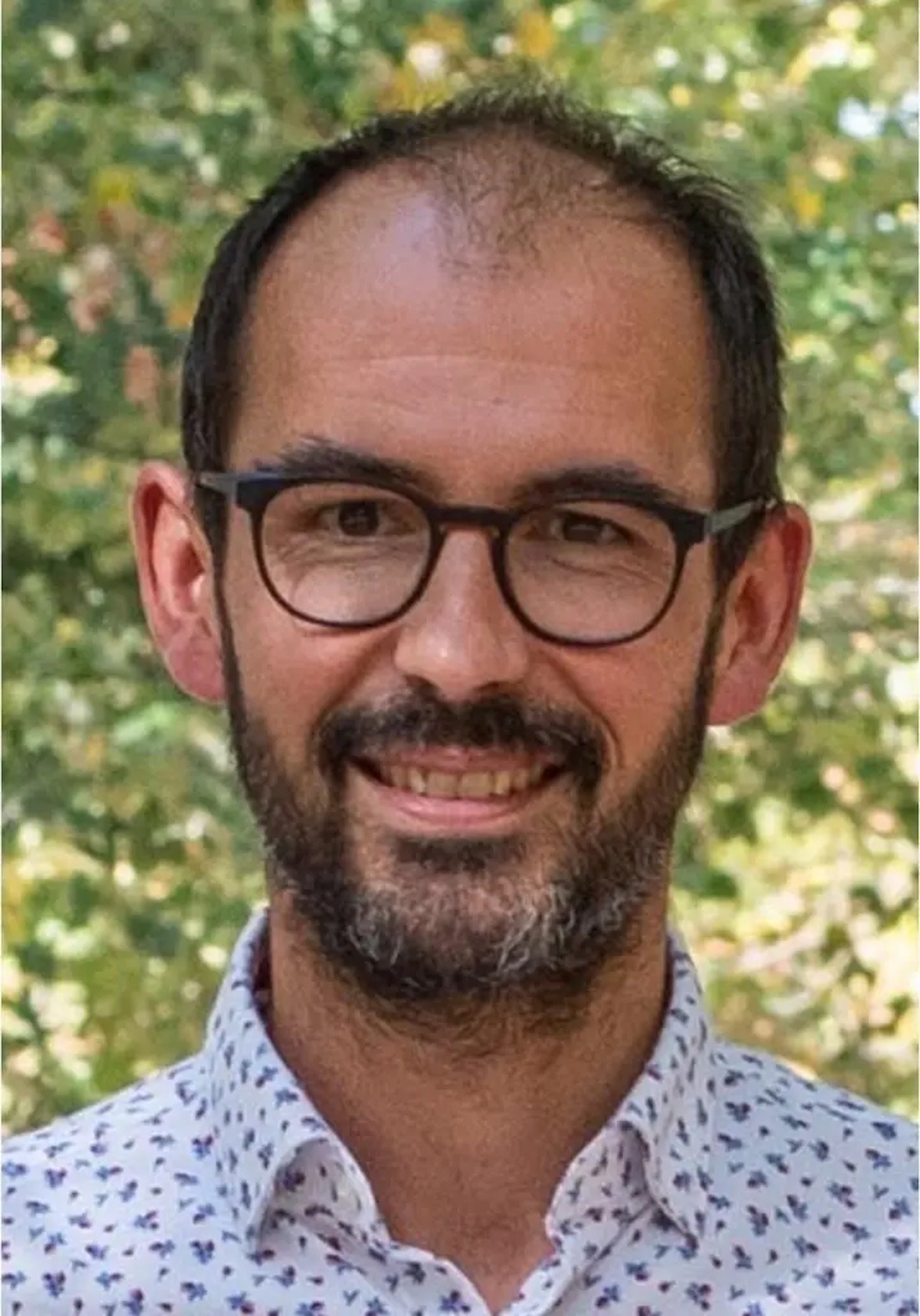
Benoit obtained his PhD in microbiology at the University of Clermont-Ferrand, identifying factors involved in the virulence of adherent and invasive Escherichia coli. He then joined Georgia State University, first as a postdoctoral fellow with Andrew Gewirtz to study mucosal immunology, before establishing his own lab focusing on how genetic and environmental factors are impacting the intestinal microbiota in a way that can drive chronic diseases. His lab Microbiome-Host Interactions is expending the field of Mucosal Microbiology. More specifically, his team is mechanistically investigating how the environment modulates complex microbial ecosystems, as well as deciphering how the host and its various microbiome communicate, with a particular focus on intestinal inflammation and metabolic deregulations.
Lead Researcher in Mucosal Immunology and Microbiota, Institut Pasteur
Benoit obtained his PhD in microbiology at the University of Clermont-Ferrand, identifying factors involved in the virulence of adherent and invasive Escherichia coli. He then joined Georgia State University, first as a postdoctoral fellow with Andrew Gewirtz to study mucosal immunology, before establishing his own lab focusing on how genetic and environmental factors are impacting the intestinal microbiota in a way that can drive chronic diseases. His lab Microbiome-Host Interactions is expending the field of Mucosal Microbiology. More specifically, his team is mechanistically investigating how the environment modulates complex microbial ecosystems, as well as deciphering how the host and its various microbiome communicate, with a particular focus on intestinal inflammation and metabolic deregulations.